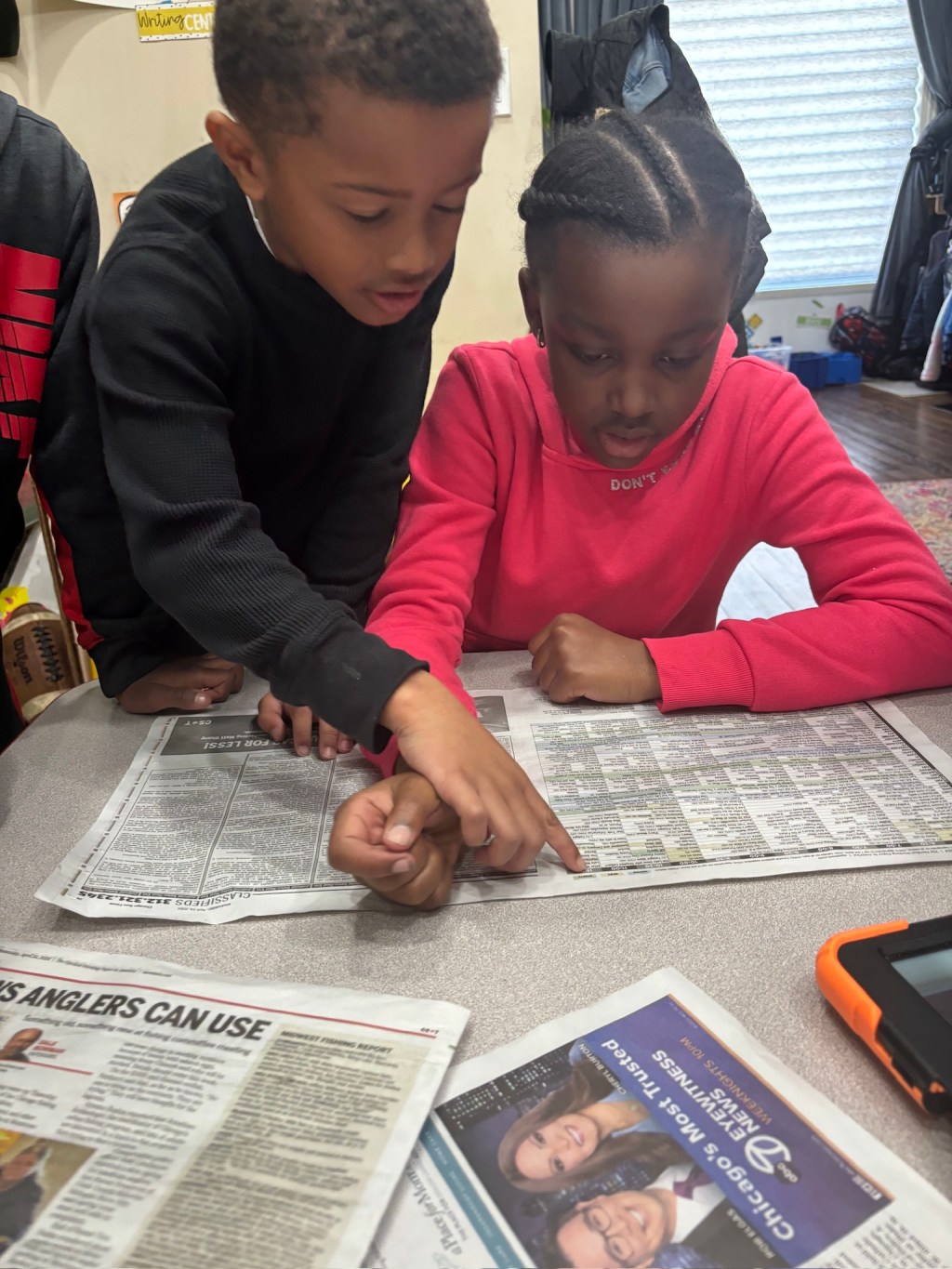
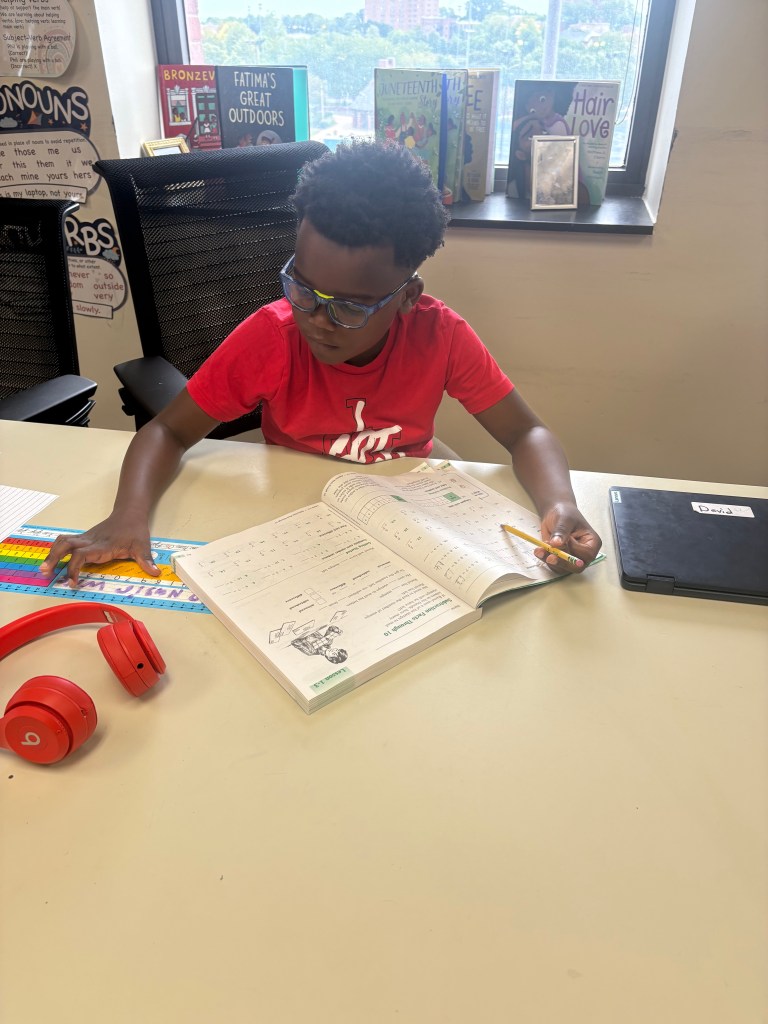
Tears welled in my son’s eyes as he whispered, “They’re going to be mad at me.” He had forgotten his homework and feared disappointing his two gifted Black male teachers.
In that moment, I felt overwhelmed by memories of my own traumatic school experiences — times when Black children like me were punished harshly for being less than perfect. Irrationally, all I could feel was the need to protect my child. I was projecting onto him.
The truth is, I trust his teachers. I know Uhuru is safe. What I do not trust is the world beyond our doors. And in that moment, I forgot where I was — a place we built precisely so Black children could be free of those fears.
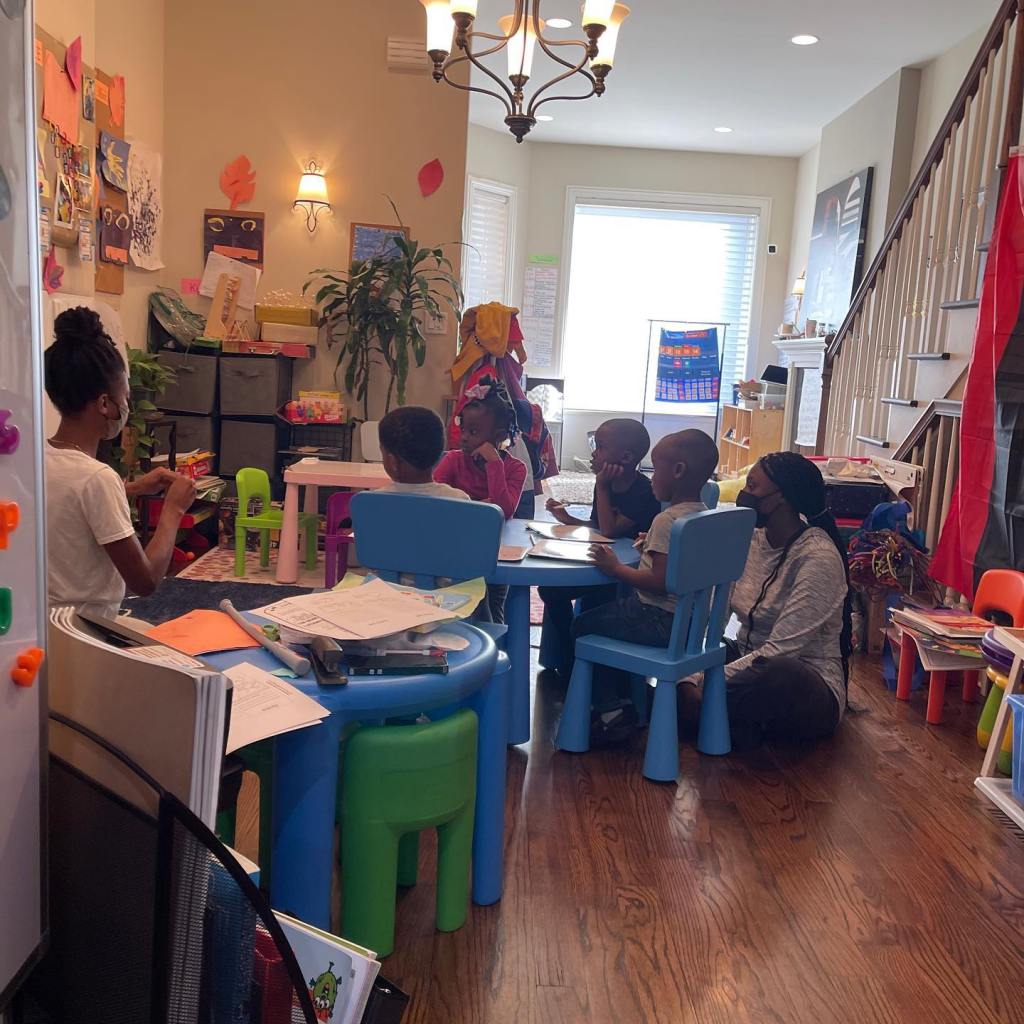
At Uhuru Shule, our mission is to create a liberatory learning space where Black children thrive freely, with joy, cultural pride, and the highest academic standards. That mission becomes even more urgent when we acknowledge how unequal expectations shape the lives of Black children outside our doors.
The Unequal Landscape of Expectations
Research has long shown that teachers’ expectations shape student performance. Rosenthal and Jacobson’s classic Pygmalion in the Classroom (1968) demonstrated that when teachers expect brilliance, children rise to it; when expectations are low, achievement suffers.
But expectations are not equal. Black children — even those who are gifted — are too often underestimated, over-disciplined, or tracked away from advanced opportunities (Ferguson, 2003). These lowered expectations not only restrict opportunity but also erode identity, creating what Claude Steele (1997) calls stereotype threat: the fear of confirming negative stereotypes, which can depress performance even when students know the material.
“Black children carry not only the work of learning, but also the weight of disproving society’s doubts.”
This burden means Black children shoulder more than their peers — the task of proving their worth in systems already stacked against them.
At Uhuru Shule, we refuse to let deficit thinking dictate our children’s futures. We teach from the conviction that brilliance is their birthright.
The Parent’s Dilemma: Vigilance vs. Freedom
All parents hold hopes and worries for their children. But for Black parents, those worries are intensified by racialized realities. Parenting decisions are entangled with survival in a society that too often criminalizes Black existence.
This is why “the talk”—how to survive an encounter with police—remains a fixture in Black families. Names like Trayvon Martin and Tamir Rice haunt us. The instinct to be “extra hard” on our children, to prepare them for a world that may not give them grace, is understandable.
Yet it comes with a cost. How do we prepare our children without stealing their joy? How do we insist on responsibility while protecting space for curiosity, creativity, and play?
Both Black mothers and Black fathers carry this weight, but often from different vantage points. Black mothers tend to emphasize protection, shielding children from harm while nurturing resilience and their right to innocence (Hill Collins, 2000). Black fathers often feel a distinct urgency to prepare sons for the realities of how Black masculinity is perceived and policed (Neal & Coltrane, 2011).
Despite these differences, they intersect in love, vigilance, and the determination to raise children who are free, joyful, and brilliant. Research confirms this: both mothers and fathers engage in racial socialization — teaching racial pride, awareness of bias, and strategies to thrive — though often in different ways (Hughes et al., 2006).
I recently mediated an expectations conference between my son and his teacher. I felt the need to support my son in voicing his concerns, to make sure his feelings were heard. But when I listened to his Black male teacher say, “I only want to make you great, David,” I felt something shift. I realized that for his teacher, too, the burden of expectations was heavy. In that moment, I felt protective of him as well. Later, I spoke to him to clarify that while my perspective is always “mom first,” my protective instincts encompass him too. We are in this together — raising, protecting, and lifting up Black children in community.
“Both Black mothers and fathers want their children to be free, joyful, and brilliant — even when the paths they take look different.”
As bell hooks (who intentionally styled her name in lowercase) reminds us in Teaching to Transgress (1994), education must be the practice of freedom. Asa Hilliard, in The Maroon Within Us (1995), insists that Black excellence flourishes when children are nurtured within their cultural identity, not stripped of it. Together, they remind us: high expectations and freedom are not opposites — they are partners.
Uhuru Shule’s Model: Freedom + Rigor
Uhuru Shule was founded to embody this balance. We believe Black children deserve an education that is:
- Liberatory – affirming their identity, culture, and creativity.
- Rigorous – rooted in high academic standards, critical thinking, and global readiness.
- Communal – guided by the wisdom of parents, teachers, and elders who share in raising free children.
In practice, this looks like:
- A math lesson that ends with a drum circle, linking precision to rhythm.
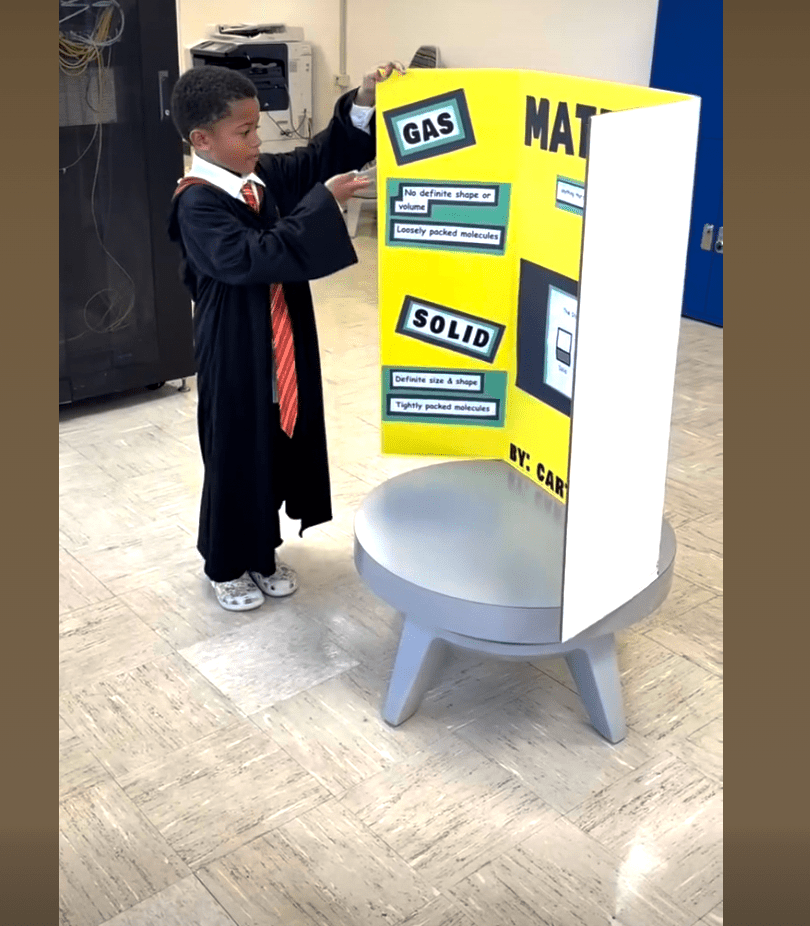
- A science class paired with African history, teaching both innovation and legacy.
- A classroom where accountability is firm but always wrapped in care.
“At Uhuru Shule, brilliance is not something to be proven. It is a birthright.”
At Uhuru, our vision is not just to help children survive. It is to ensure they thrive — because of who they are, not despite it.
A Call to Parents and Community
The question is not whether Black children can succeed — they can, and they do. The question is whether we — parents, teachers, and community — will hold them to high expectations while also protecting their joy, freedom, and humanity.
“As I reflect on the work of scholars like bell hooks and Asa Hilliard, I am reminded: high expectations and freedom are not opposites — they are partners.”
At Uhuru Shule, we choose both. Every day, we work to ensure our children are nurtured, challenged, and celebrated. But we cannot do it alone. Raising Black children is — and has always been — the work of the village.
So I invite you to reflect with me:
- How do you balance preparing your child for the world with protecting their joy?
- Do your expectations reflect their full brilliance — or society’s stereotypes?
- How might you partner with schools like Uhuru Shule to make sure our children are both free and academically excellent?
If these questions resonate with you, join our community:
- Visit Uhuru Shule → www.uhurushule.org
- Support our mission → Donate here
- Share your story → Add your reflections and parenting experiences in the comments below — your voice strengthens the village.
Because when our children are free and brilliant, our entire community rises.

 The Uhuru Journal: Rooted & Rising
Leave a comment